
Henrik Lundvall
Henrik has extensive experience in senior roles within international media and tech companies, including TT, Expressen, Microsoft, Axel Springer and Lifesum. At Yazen, he is Head of Content, with responsibility for strategy, marketing and in-app content, working closely with product, medical and tech teams.



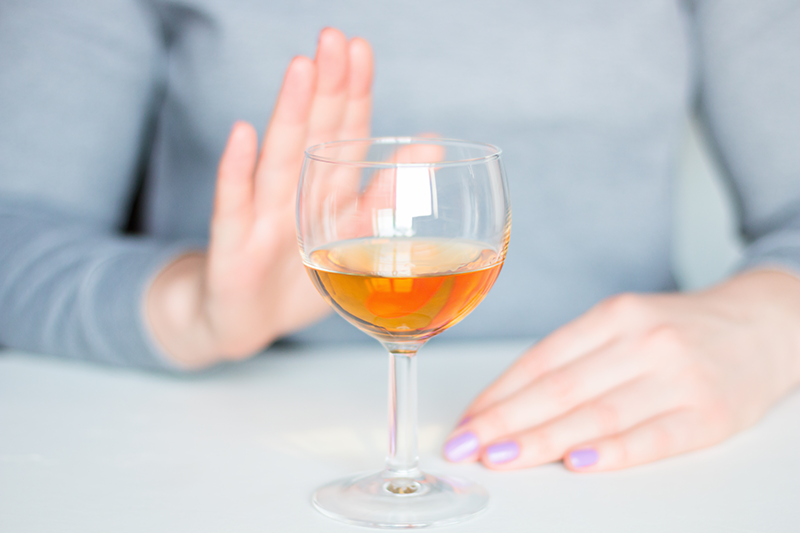

Can You Drink Alcohol on GLP-1 Medication?
Are you wondering if you can drink alcohol while taking GLP-1 medication? The short answer is yes, but you’ll need to be careful. Medicines like Wegovy and Mounjaro can change how your body processes both food and alcohol. This can increase side effects like nausea and affect your alcohol tolerance. Here are a few things to help you make safe, informed choices.
Ozempic in Tablet Form: Everything You Need to Know About Rybelsus
Ozempic is administered as an injection, but the active substance semaglutide is also available in tablet form under the name Rybelsus. The medication can reduce appetite and increase the feeling of fullness, which can contribute to reduced calorie intake and support weight loss. Here we review how the treatment works, what results clinical studies show, and how Yazen's medical team can help you with safe and effective use.

Swimming as exercise – fitness, weight and health
Swimming as exercise is gentle, effective and suitable for most people – including those with overweight, osteoarthritis or after pregnancy. The buoyancy of water reduces the load on joints and the skeleton by up to 90%, making swimming a low-impact form of exercise that is very gentle on the body.
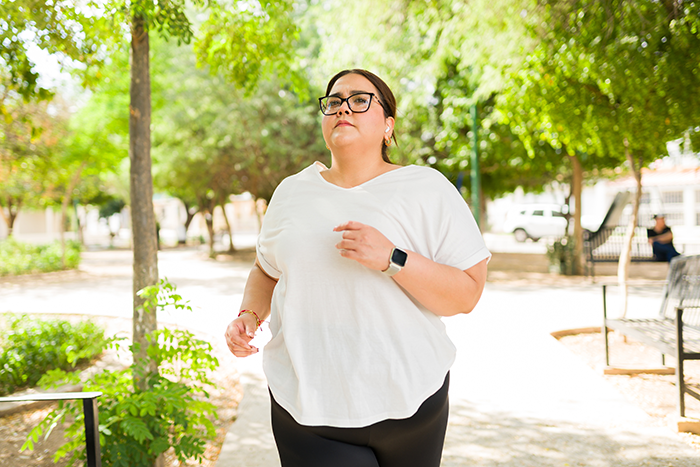
Overweight: how can we help you achieve sustainable weight loss?
Overweight and obesity are growing health challenges affecting many people globally. Losing weight and finding a sustainable balance can be difficult, but support is available. Weight impacts both physical and mental health. In this article, you will learn why overweight occurs, which lifestyle changes can help, and how to measure your progress toward a healthier weight.
Switch Weight Loss Clinic Online: How to Change Providers Safely
Are you considering changing your obesity treatment provider? You can safely switch weight loss clinic online without interrupting your progress. Whether you are seeking better medical support, a holistic approach, or help managing side effects, transferring to a comprehensive digital clinic like Yazen is simple. This guide outlines how to transition safely and ensure continuity of care.
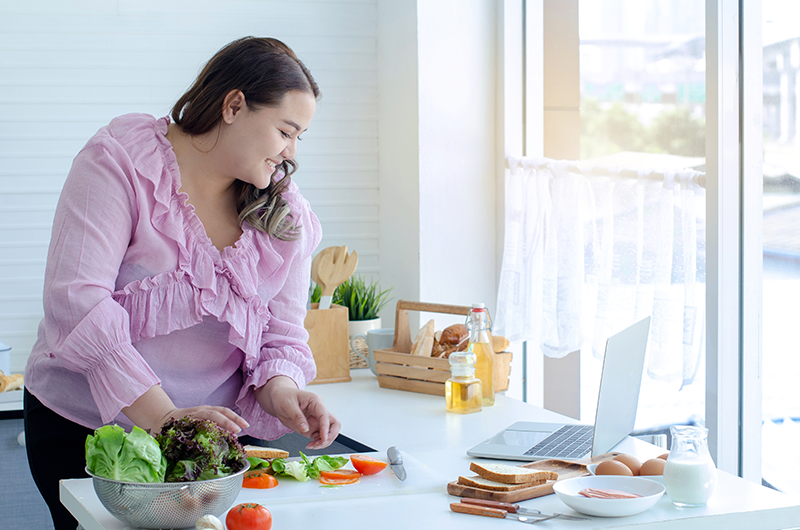
Ozempic Prescription – Medical Assessment, Guidelines, and Laws
To obtain Ozempic, a medical assessment by a licensed doctor is required. GLP-1 analogues have revolutionized weight loss, but high demand creates questions regarding regulations and safety. Many wonder about the requirements for prescriptions and the risks of online orders. This guide explains the process within the EU and patient requirements. It is crucial to choose a regulated healthcare provider like Yazen to guarantee safe treatment and avoid unreliable sources.
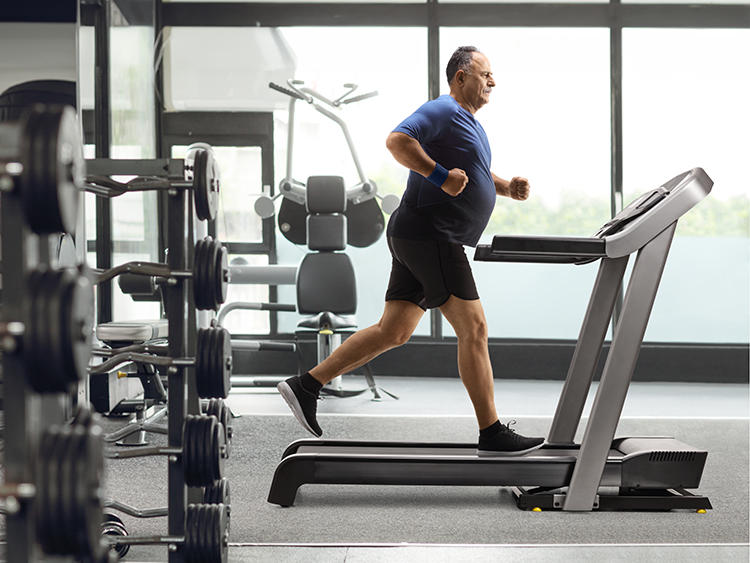
Wegovy and Mounjaro After Bariatric Surgery: Can They Help Maintain Weight Loss?
Experiencing weight regain after bariatric surgery? You’re not alone. Medicines like Wegovy or Mounjaro can be a helpful option after surgery to manage regain and support further weight loss. By targeting the biological drivers of appetite, they may improve fullness and help with more sustainable long-term weight management.
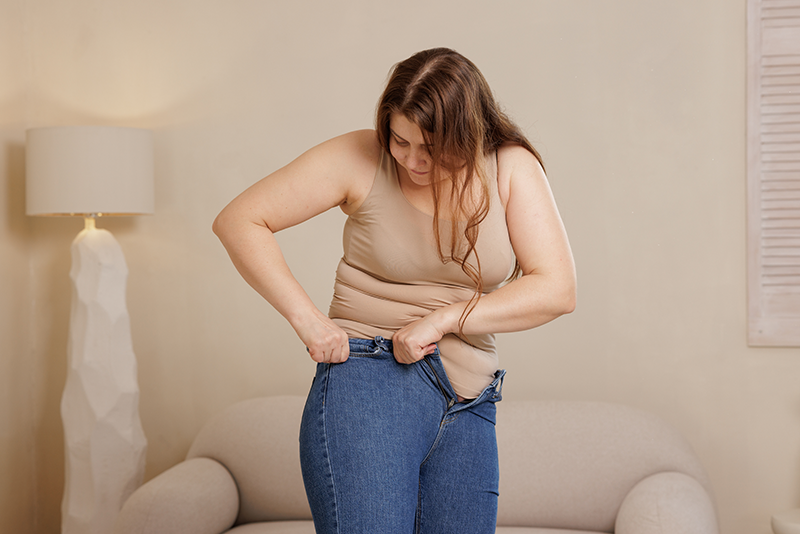
Traveling with Ozempic, Mounjaro or Wegovy: What You Need to Know
Traveling with Ozempic, Mounjaro, or Wegovy is entirely possible with the right preparation. Keeping your pens at the correct temperature, packing them in your carry-on, and staying consistent with your injections are key to a smooth journey. In this article we will discuss how to travel safely with your treatment, handle airport security, and store your medication properly while on the go.
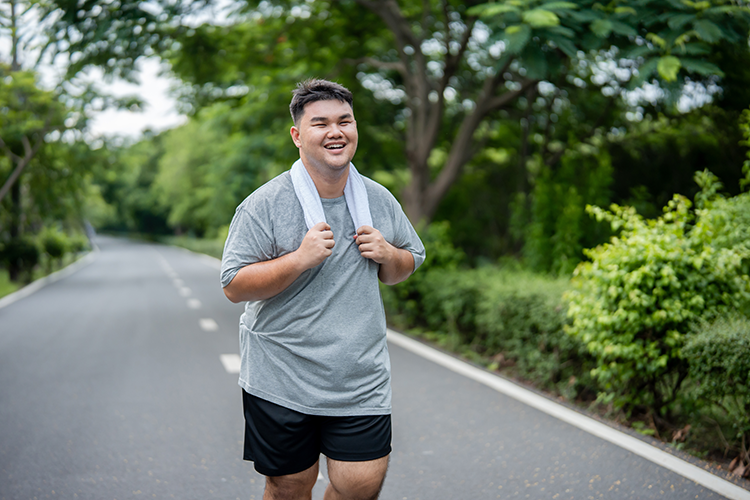
Traveling with Rybelsus: What You Need to Know
Are you planning a trip and wondering how to manage your weight loss medication while away? Traveling with Rybelsus, oral semaglutide, is simple since it is a daily tablet that does not require refrigeration. By keeping it in proper storage and maintaining your routine, you can easily stay on track. Here is your guide to packing, storing, and taking your Rybelsus safely while traveling.
