
Can You Drink Alcohol on GLP-1 Medication?
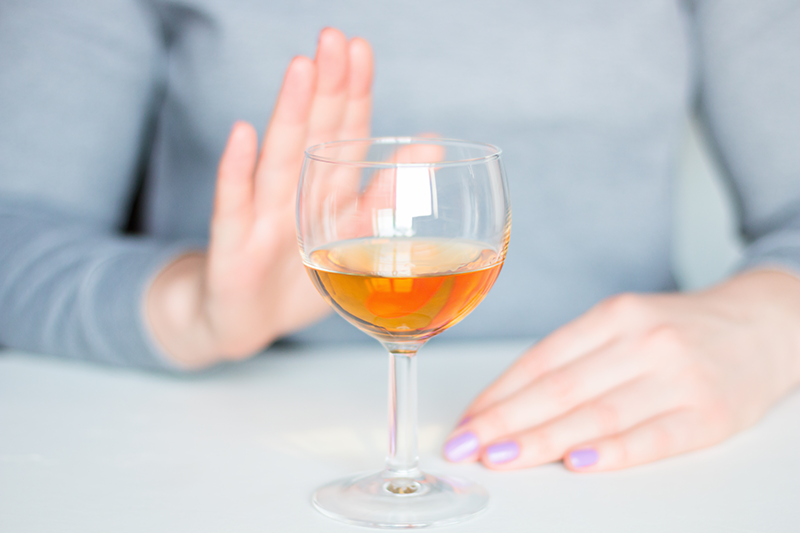
Are you wondering if you can drink alcohol while taking GLP-1 medication? The short answer is yes, but you’ll need to be careful. Medicines like Wegovy and Mounjaro can change how your body processes both food and alcohol. This can increase side effects like nausea and affect your alcohol tolerance. Here are a few things to help you make safe, informed choices.


.svg)
How GLP-1 Medications Work?
GLP-1 receptor agonists (such as semaglutide) and dual agonists (like tirzepatide) work by mimicking natural hormones produced in your gut. They send signals to your brain to increase feelings of fullness and significantly reduce your overall appetite. Furthermore, they slow down gastric emptying, meaning that food and liquids stay in your stomach for a longer period, which also slows digestion.
For a deeper understanding of the biological mechanisms behind these treatments, read our comprehensive guide on Wegovy, Mounjaro and Ozempic.
Is Alcohol Consumption Safe While Taking GLP-1 Medication?
For most individuals, moderate alcohol consumption is generally considered safe during GLP-1 treatment, provided there are no contraindicating medical conditions. Recommendations may vary depending on individual risk factors, and guidance from a healthcare provider should always be followed.
However, it is crucial to understand that your body will not react to alcohol the same way it did before you started the medication.
Because GLP-1 medications slow gastric emptying, the timing and intensity of alcohol’s effects may become less predictable. This may change how you perceive its effects. If you do not wait to see how you feel, this delayed reaction can lead to drinking more than intended or binge drinking. Additionally, if you have already lost a significant amount of weight, your overall alcohol tolerance will naturally be much lower than it used to be.
Potential Effects of Alcohol While on GLP-1 Treatment
Combining alcohol with modern obesity medications can trigger several physical and psychological reactions. Here is what you might experience:
Increased Gastrointestinal Side Effects: Nausea, heartburn, and diarrhea are the most common side effects of GLP-1 medications, especially during the early stages of treatment. Alcohol naturally irritates the stomach lining. When gastric emptying is delayed, alcohol may remain in the stomach for longer than usual, which can increase gastrointestinal discomfort.
Reduced Cravings for Alcohol: Interestingly, many patients report a spontaneous decrease in their desire to drink alcohol. GLP-1 medications may influence the brain’s reward system, which can reduce cravings and make alcohol feel less rewarding. This turns down the "volume" on cravings, making alcohol feel less appealing and rewarding.
Risk of Low Blood Sugar (Hypoglycemia): If you are taking GLP-1 medications for type 2 diabetes alongside other blood-sugar-lowering drugs (like insulin or sulfonylureas), drinking alcohol can be risky. Alcohol impairs the liver's ability to release glucose into the blood, which can lead to dangerous drops in blood glucose levels and hypoglycemia. Monitoring blood sugar levels carefully while consuming alcohol on GLP-1s is highly recommended to avoid severe hypoglycemia.
Increased Sensitivity to Alcohol's Effects: Many patients report feeling the effects of alcohol more quickly and intensely while on GLP-1 medications. This altered alcohol tolerance may be due to weight loss, reduced food intake, and slowed stomach emptying caused by the medication. As a result, you may get drunk faster or feel the same effect after fewer drinks than before.
Elevated Risk of Pancreatitis: Both GLP-1 medications and heavy alcohol use are associated with an increased risk of pancreatitis. Caution is advised, particularly in individuals with a history of pancreatic disease.
Does Alcohol Affect Weight Loss Results?
Yes, alcohol can significantly hinder your weight loss progress, especially if you are already exploring treatment options for obesity. Alcohol contains 7 calories per gram, all of which are empty calories offering no nutritional value or satiety. When you drink, your body prioritizes breaking down the alcohol, effectively putting your fat-burning processes on pause. Furthermore, alcohol makes you more likely to make impulsive food choices and overeat, which counteracts the appetite-suppressing effects of GLP-1 medications. Excessive alcohol intake can contribute to weight gain and slow your achievement of weight loss goals.
Additionally, alcohol consumption can disrupt sleep patterns, which may negatively impact your metabolism and weight loss efforts while on GLP-1 medications.
Many users also report experiencing worse hangovers even with minimal alcohol consumption, possibly due to the medication's effects on metabolism and hydration.
Guidance on Alcohol Consumption During GLP-1 Treatment
If you decide to enjoy a drink, you can minimize gastrointestinal discomfort and protect your weight loss efforts by following these practical strategies:
- Pace yourself: Because delayed gastric emptying may affect the timing of alcohol’s effects, drink slowly. Wait and evaluate how your body reacts before ordering another round.
- Stay hydrated: Alcohol dehydrates the body, and GLP-1 medications can dampen your natural thirst signals. Alternate alcoholic drinks with water or non alcoholic drinks such as sparkling water or zero calorie mixers to prevent dehydration and medication-induced constipation.
- Eat protein beforehand: Never drink on an empty stomach. Consuming a protein-rich meal or snack before drinking helps stabilize your blood sugar levels and reduces the risk of impulsive overeating later in the evening.
- Choose your drinks wisely: Avoid sugary cocktails, heavy beers, and creamy liqueurs. These contain excessive calories and are much more likely to trigger severe heartburn, gas, and bloating. Opt for lighter options like wine or spirits mixed with zero-calorie sparkling water.
- Plan safe transportation if consuming alcohol: Because alcohol can affect your coordination and judgment, always plan for safe transportation when drinking.
- Apply the "Silver Lining Scale": At Yazen, we encourage mindful choices using the "Silver Lining Scale". Ask yourself if the drink is truly worth it. If a specific drink scores a 9 or 10 on your personal enjoyment scale, savor it. If it is just a routine habit (like a random Tuesday beer), consider an alcohol-free alternative instead.
When Should You Avoid Alcohol?
While an occasional drink is generally safe for most people, there are specific times during your treatment when you should avoid alcohol entirely:
- During dose escalation: When you first start the medication or step up to a higher dose, your digestive system is highly sensitive. Drinking alcohol during these transition weeks may increase the risk of severe vomiting and diarrhea.
- If you experience severe side effects: If you are already struggling with nausea, stomach pain, or severe fatigue, introducing alcohol is likely to exacerbate your symptoms and delay your body's adaptation process.
- If you have a history of pancreatitis: GLP-1 medications carry a rare but serious increased risk of pancreatitis (inflammation of the pancreas). Heavy alcohol consumption also damages the pancreas, making the combination potentially dangerous.
- If you have a history of alcohol use disorder: Alcohol should generally be avoided. Given the potential risks and challenges with moderation, complete abstinence is typically recommended.
Medical weight management requires a holistic approach, often combining lifestyle changes with individualized weight loss help under medical supervision. By staying mindful of your alcohol intake, you support your body's health, limit alcohol-related health risks, and ensure that your medication works as effectively as possible. Always consult your healthcare provider or doctor if you are unsure about how your specific health profile interacts with alcohol while taking GLP-1 drugs.
It is important to note that alcohol consumption is associated with health risks, even at low levels, and should always be approached with moderation.
References
European Medicines Agency. Wegovy (semaglutide) – EPAR Product Information.
https://www.ema.europa.eu/en/medicines/human/EPAR/wegovy
European Medicines Agency. Ozempic (semaglutide) – EPAR Product Information.
https://www.ema.europa.eu/en/medicines/human/EPAR/ozempic
European Medicines Agency. Mounjaro (tirzepatide) – EPAR Product Information.
https://www.ema.europa.eu/en/medicines/human/EPAR/mounjaro
Wilding JPH et al. – New England Journal of Medicine. Once-Weekly Semaglutide in Adults with Overweight or Obesity.
https://www.nejm.org/doi/full/10.1056/NEJMoa2032183
Jastreboff AM et al. – New England Journal of Medicine. Tirzepatide Once Weekly for the Treatment of Obesity (SURMOUNT-1).
https://www.nejm.org/doi/full/10.1056/NEJMoa2206038
National Institute on Alcohol Abuse and Alcoholism (NIAAA). Alcohol Metabolism: An Update.
https://www.niaaa.nih.gov/publications/alcohol-metabolism


March 19, 2026
May 28, 2026
Start your weight loss journey with Yazen today
Everything you need to do is to create an account and answer some questions about your health
.svg)
.svg)
More articles


Losing weight during menopause: a guide to lasting results
Many women notice that their body changes during menopause. More fat may gather around the stomach while muscle mass gradually decreases. But what is actually happening in the body, and how does it affect weight? In this article, we look at what research shows and which strategies may help if you want to lose weight during menopause.

Can You Exercise While on Weight Loss Medication?
Combining physical activity with your medical treatment is one of the best ways to achieve sustainable health and effective weight management. While modern treatments are highly effective, exercising protects your muscle mass, supports bone health, and boosts long-term results. Discover how to safely exercise on weight loss medication, which workouts are most effective, and how the Yazen team can support your active lifestyle.