
Examining the effectiveness of a new digital care model on weight loss for people living with obesity
This real-world evaluation of more than 2,600 patients in Sweden showed that Yazen’s comprehensive digital obesity care model achieved 12.6% weight loss after 6 months, alongside significant improvements in cardiometabolic health markers. The model combines GLP-1 treatment, lifestyle intervention, and continuous multidisciplinary support through a digital platform designed for long-term obesity care.

.webp)
.svg)
Examining the effectiveness of a new digital care model on weight loss for people living with obesity
Martin Henrik Carlsson1,2, Elin Skoglund1, Lars Brudin1, Magnus Nyhlén1
1. Yazen Health AB, Malmö, Sweden
2. Department of Medicine and Optometry, eHealth Institute, Linnaeus University, Kalmar, Sweden
INTRODUCTION
Telemedicine and asynchronous virtual appointments for patients living with chronic medical conditions have been increasingly used to overcome distance barriers and improve access to medical care. The patient perspective is largely positive, with many patients appreciating the convenience and accessibility it offers. One of the groundbreaking aspects of digital healthcare is the ability for doctors to customize and enhance patient care in real time. Through digital platforms, healthcare professionals can monitor patient data, adjust treatment plans, and provide personalized guidance, creating a dynamic and responsive approach to healthcare delivery.
The objective of this real-world retrospective study was to investigate the effectiveness of using a digital platform for weight loss and other related clinical outcomes (up to 6 months) with a group of Swedish patients who are overweight (BMI ≥ 27 kg/m2 with ≥ 1 weight-related co-morbidity) or living with obesity (body mass index ≥ 30 kg/m2).
METHODS
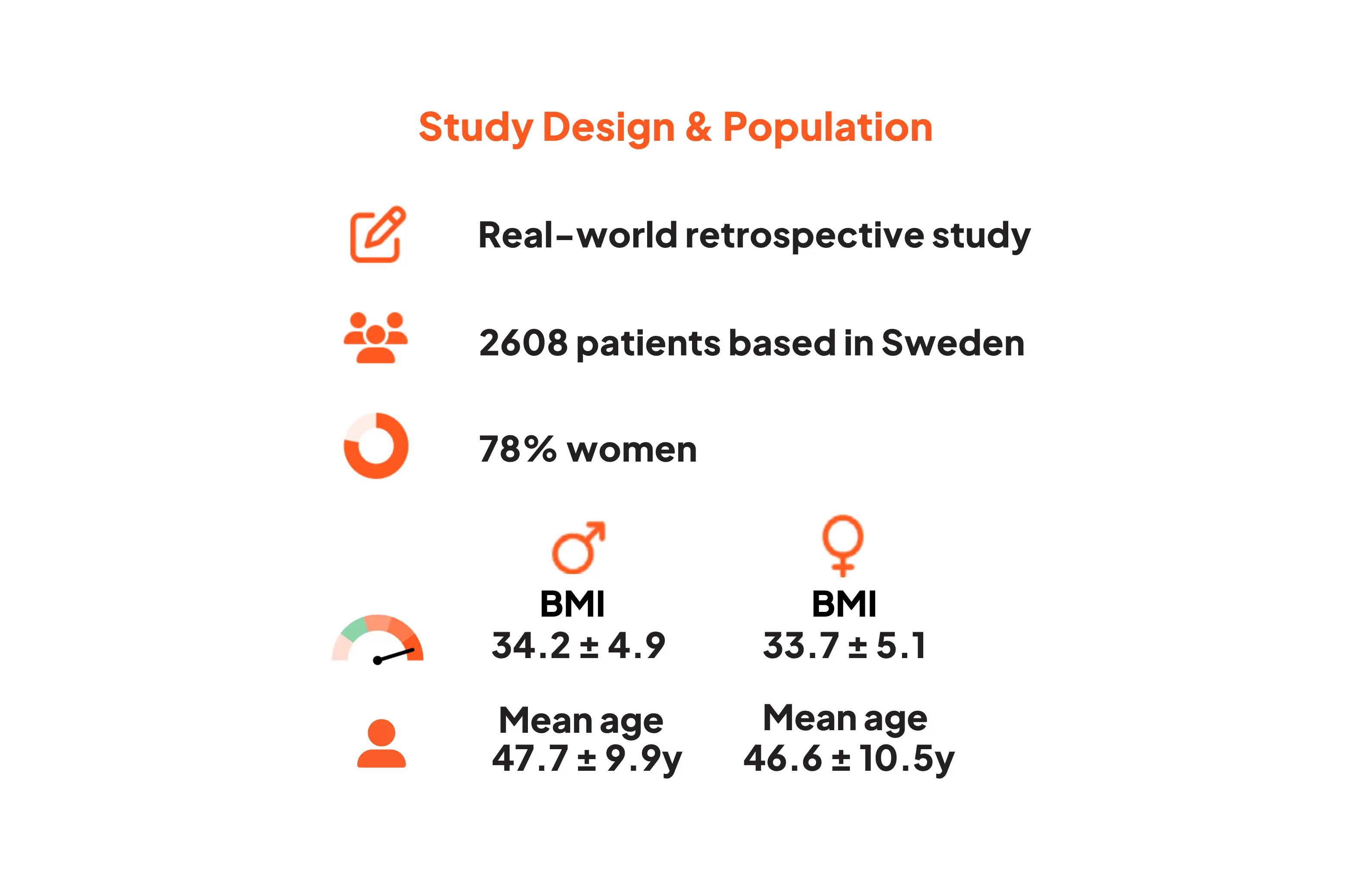
In a total of 2608 patients (613 men and 1999 women), we investigated the effects of remote treatment (pharmacological treatment used in combination with lifestyle support) via a novel Swedish digital therapeutics platform (Yazen Health) for reducing body weight in adults.
Patients received individualised treatment with various GLP-1 receptor agonists (mainly semaglutide and dulaglutide) and lifestyle advice via asynchronous text-based communication within a secure medical app. Weight and blood pressure data were obtained through self-reporting from patients according to specific instructions. To ensure the patients qualified for obesity treatments using medication with GLP-1 analogs, information including medical history, electronic ID, patient photo, and blood tests were gathered. In addition, the model includes authentication at the pharmacy, medication retrieval, and continuous contact between the patient and healthcare providers at Yazen.
Data for the study was retrospectively collected from the electronic health records. The percentage change from baseline body weight was assessed every month for six months, at which point follow-up laboratory testing was done.
RESULTS
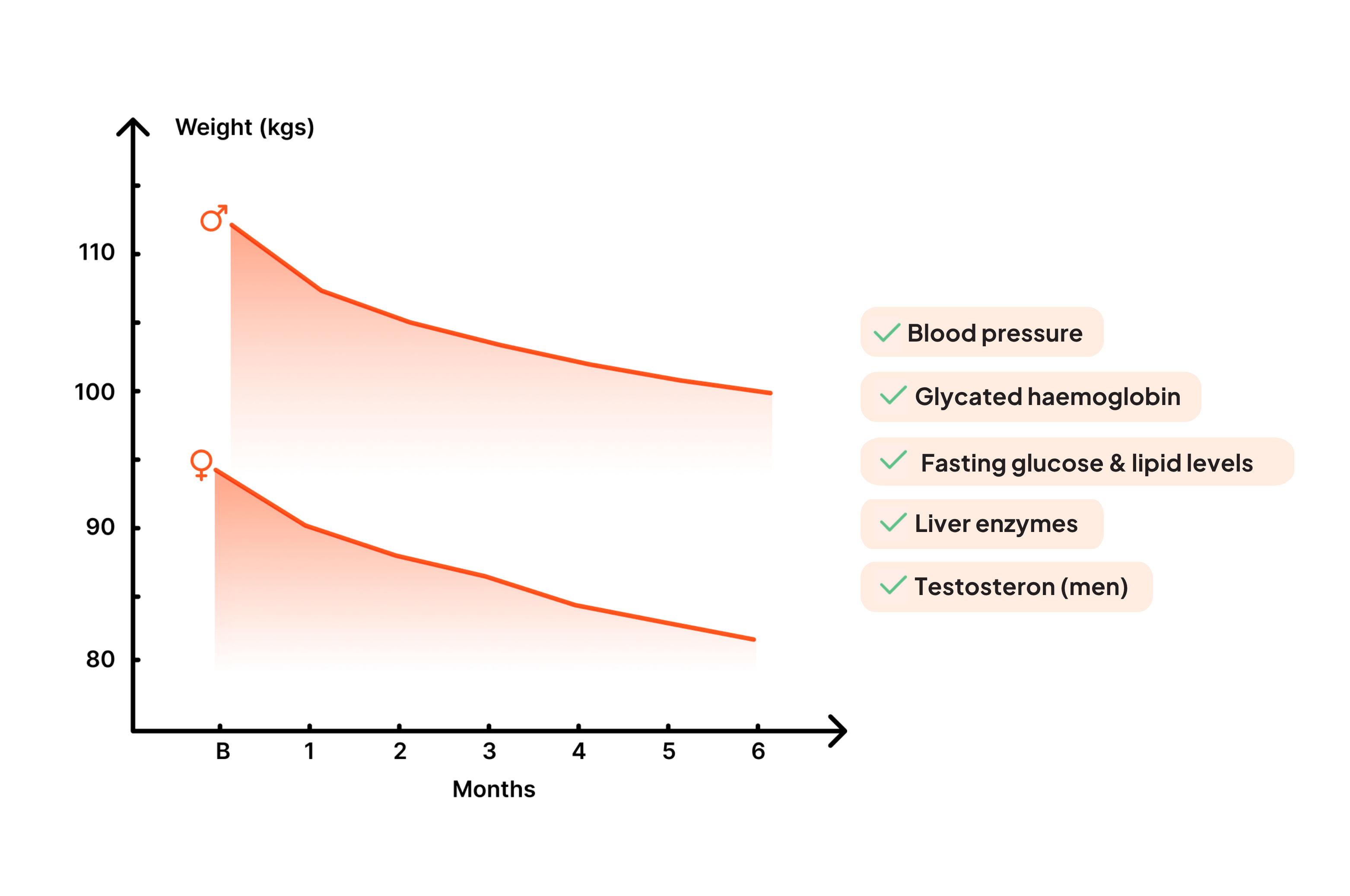
Mean base age for men was 47.7 ± 9.9 years and BMI 34.2 ± 4.9 and for females 46.6 ± 10.5 years and BMI 33.7 ± 5.1. Mean weight loss (percentage) after 1, 2, 3, 4, 5 and 6 months was 4.3; 6.6; 8.1; 10.1; 11.4 and 12.6%. Treatment and weight loss also led to significant improvement in weight-related and cardiometabolic measures such as blood pressure, glycated haemoglobin, fasting plasma glucose, liver enzymes, fasting lipid levels and testosterone (men).
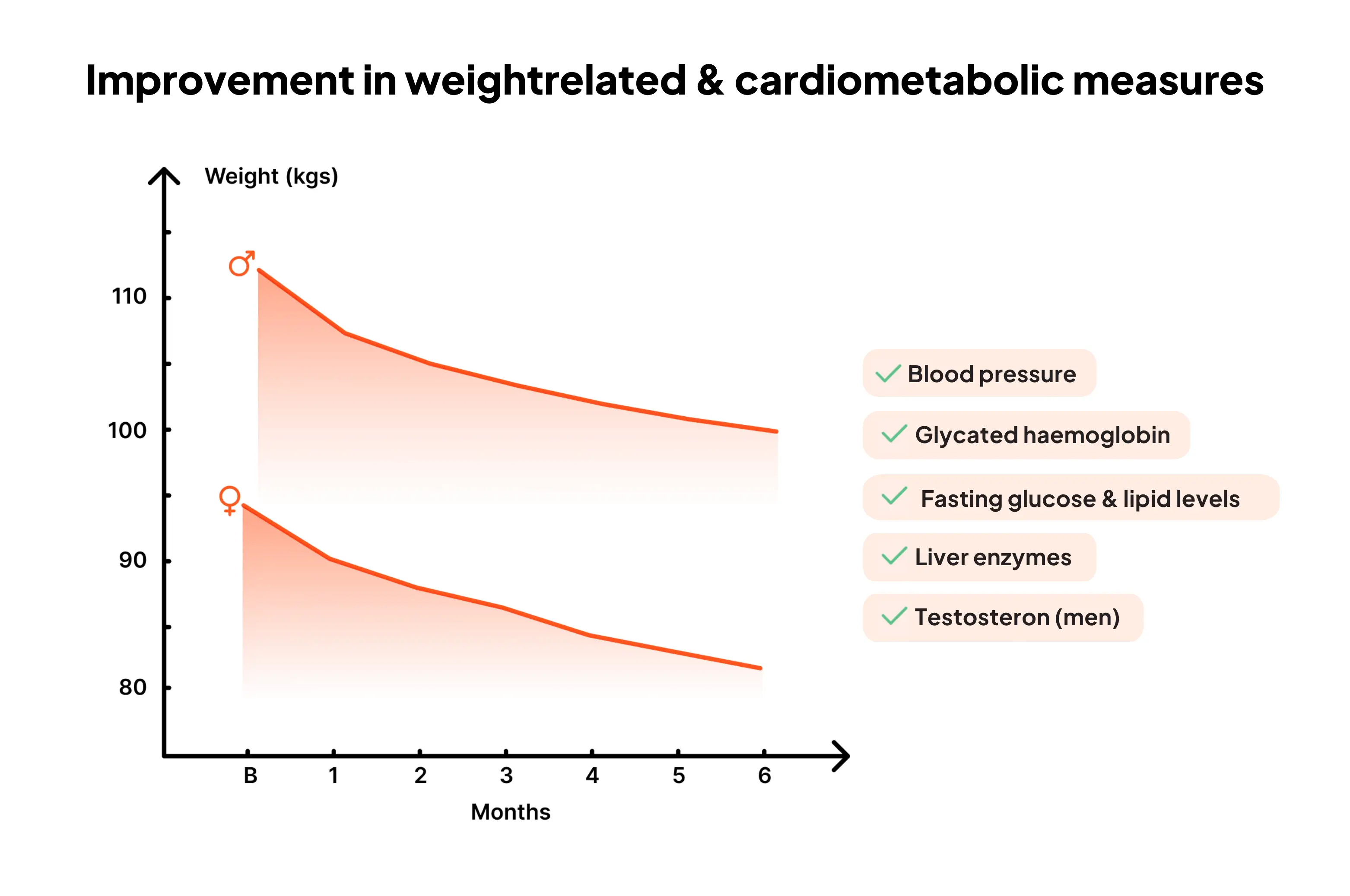
4.3, 6.6, 8.1, 10.1, 11.4 & 12.6%.
CONCLUSION
Several barriers may contribute to obesity treatment failures including the requirement of long-term patient adherence to lifestyle recommendations or drug treatment.
In the current study the use of a telemedicine platform specifically developed for obesity care combined with pharmacological treatment with different GLP-1 analogues and lifestyle intervention resulted in 12.6 % weight loss after 6 months and improved metabolic profile. By embracing the capabilities of digital technology, healthcare providers can offer a level of care that is effective for managing patients living with obesity.
Watch Dr. Elin Skoglund explain the study in this short film-clip:
This abstract was presented as a poster presentation on the European Congress on Obesity in Vennice, ECO2024. For contact email martin@yazen.com
Follow Yazen on LinkedIn for the latest Scientific Updates and News in the Obesity area!


May 11, 2024
May 19, 2026
Start your weight loss journey with Yazen today
Everything you need to do is to create an account and answer some questions about your health
.svg)
.svg)
More articles


.webp)
Real-World Outcomes of Tirzepatide and Semaglutide in 40,000+ Patients
Sustained Real-World Weight Loss in 40,000+ Patients
Substantial weight loss was achieved with GLP-1–based pharmacotherapy within a comprehensive digital obesity care model. Outcomes were maintained up to 24 months, with 57% of patients still in treatment, demonstrating strong long-term effectiveness in real-world care.

Digital Obesity Care Reaches Socioeconomically Diverse Patients
In a real-world cohort of over 40,000 people living with obesity, digital care engaged patients across all socioeconomic groups, including low- and middle-income populations. However, affordability emerged as the primary driver of treatment discontinuation, with economic barriers disproportionately limiting long-term access and continuity of care.